Testicular Cancer Blood Screening
Advanced Diagnostic Protocol
Clinical Significance
Testicular cancer is the most common cancer in men aged 15–49 in the UK — and one of the most treatable, with survival rates above 95% when found early. Our Testicular Cancer Blood Screening measures the three established testicular tumour markers: Alpha-Fetoprotein (AFP), Beta-HCG and Lactate Dehydrogenase (LDH). These markers are used by hospital specialists in the assessment and monitoring of testicular cancer, and can provide useful information for men with risk factors or concerns.
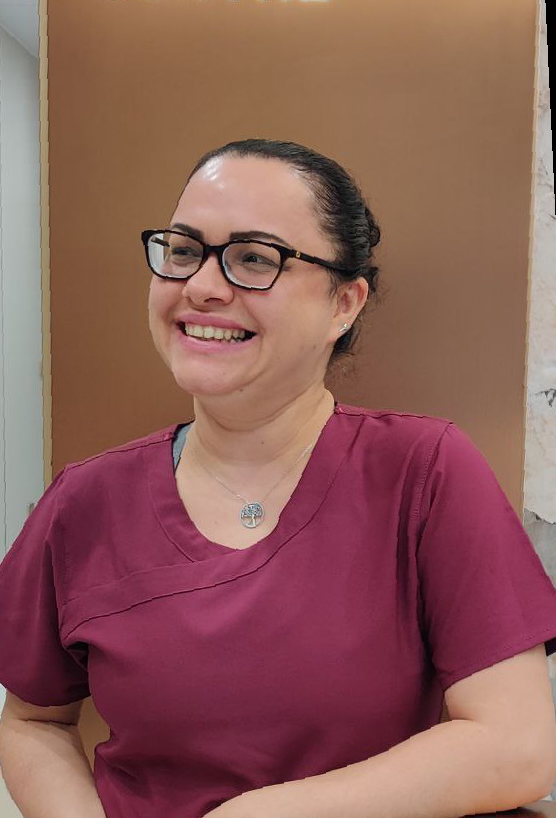
Led by Nurse Luciana
Expert blood draws and comprehensive written reports for every protocol.
Biomarker Blueprint
Clinical Measurements
Tumour Markers
Frequently Asked Questions
Q. What do AFP, Beta-HCG and LDH show?
These are the three tumour markers used in testicular cancer assessment. Certain testicular cancers release AFP and/or Beta-HCG into the blood, while LDH can reflect tumour bulk. However, some testicular cancers — particularly pure seminomas — do not raise AFP at all, which is why blood tests alone can never rule cancer in or out.
Q. I have found a lump — should I book this test?
No — see your GP first, this week. A testicular lump needs physical examination and an urgent ultrasound, which is the standard diagnostic pathway and is fast on the NHS. Blood markers are an adjunct, not a substitute. Our screening is for men without lumps who want a marker baseline due to risk factors.
Q. Who has a higher risk of testicular cancer?
Men with a history of undescended testicle, a father or brother with testicular cancer, or a previous testicular cancer in the other testicle. Regular self-examination is recommended for all men — we include guidance in your report.
Q. How often should markers be checked?
There is no formal screening interval, as no national programme exists. Men with risk factors sometimes choose an annual baseline alongside monthly self-examination. Your nurse report will suggest a sensible interval for your situation.
Q. What if my markers are raised?
Raised markers can have benign causes (for example, liver conditions can raise AFP and LDH). We will explain your result and advise you to see your GP, who can examine you and arrange an ultrasound if needed. A raised marker is a prompt for assessment, not a diagnosis.
Clinical Protocol
No fasting required. If you have found a lump, swelling or change in a testicle, please see your GP promptly — do not wait for screening results. Physical examination and ultrasound, not blood tests, are the first-line investigations for a testicular lump.
- Standard Medical & Lifestyle Questionnaire
- Height
- Weight
- Body Mass Index (BMI)
Gentle Blood Draws by Our Registered Nurse

Our South Kensington Clinic
Not sure which test you need? We'll guide you.
Book a health screening without choosing a package — our registered nurse will call you before your visit to talk through your health goals and recommend the right tests for you. No obligation, and you only pay in clinic for what you choose.
Guided bookings open from two days ahead so our team can call you first. Outside clinic hours? Message us on WhatsApp and we’ll reply as soon as we open.
Testicular Cancer Blood Screening — AFP, Beta-HCG & LDH Testing in London
A discreet, nurse-led blood screening measuring the three recognised testicular tumour markers — Alpha-Fetoprotein, Beta-HCG and LDH — at our South Kensington clinic. Designed for men with risk factors who want a marker baseline, with next-working-day results and self-examination guidance included.
What's Included
- Alpha-Fetoprotein (AFP)
- Beta-HCG (oncology assay)
- Lactate Dehydrogenase (LDH)
- Self-examination guidance
- Written report by a registered nurse
Not Included (Upgrade Available)
- —Physical examination
- —Testicular ultrasound
- —Diagnosis — markers assess risk and provide a baseline
Who Is This Test For?
- Men aged 15–49 with risk factors for testicular cancer
- Men with a history of undescended testicle
- Men with a family history (father or brother affected)
- Men who have had cancer in one testicle
- Health-conscious men wanting a marker baseline
The role — and the limits — of tumour markers
In hospital practice, AFP, Beta-HCG and LDH are measured when testicular cancer is suspected or being monitored after treatment. As screening tools in men without symptoms they have real limitations: pure seminoma, the most common type, frequently produces normal AFP, and early tumours may not raise any marker. That is why we are clear that this screening supplements — and never replaces — monthly self-examination and prompt GP review of any lump or change.
How to check yourself — the habit that saves lives
The best early-detection tool for testicular cancer is your own hand. Once a month, after a warm bath or shower, roll each testicle gently between thumb and fingers. You are feeling for a hard lump, a change in size or firmness, or a new heaviness. Some men notice a dull ache in the groin or lower abdomen. Any of these deserve a GP appointment within days — not weeks. Your results report includes an illustrated self-examination guide.
Fast, discreet and judgement-free
We understand that men often delay checks out of embarrassment. Our clinic offers a private, unhurried appointment with an experienced registered nurse — no examination is involved in this blood screening, the draw takes minutes, and results arrive the next working day with a plain-English written report. If anything needs GP follow-up, your report will say so clearly.
Important: This is a screening (risk assessment) blood test, not a diagnostic test. No blood test can confirm or rule out cancer on its own. Results outside the reference range do not mean you have cancer, and normal results do not guarantee its absence. If you have symptoms, or your results are unexpected, we will advise you to discuss them with your GP, who can arrange further investigation where appropriate.
"Our Testicular Cancer Blood Screening provides the comprehensive insight you need to take control of your health. Every biomarker is carefully analysed and results are reviewed by our clinical team."
Nurse Luciana, Lead Clinical Nurse
Same-day appointments available in South Kensington
You may also be interested in
Our Clinic Locations.
Clinical Testimonials.
"Luciana the Brazilian nurse is the best!! Very kind and super efficient, she managed to get my blood very smoothly and I had the best experience. I really recommend going there and asking for her."
"Great experience at South Kensington Medical and Dental Clinic. Kind staff, quick appointment, and very fast results. Everything was smooth and stress-free. Highly recommend!"
"I was really impressed by the whole experience at South Kensington MD. Booking and engagement were seamless, with no tedious manual forms to fill in. The staff were friendly and welcoming throughout."







