Osteoporosis Risk Screening
Advanced Diagnostic Protocol
Clinical Significance
Osteoporosis affects over 3.5 million people in the UK, causing more than 500,000 fragility fractures every year — yet it is called the "silent disease" because bone loss produces no symptoms until a fracture happens. Our Osteoporosis Risk Screening assesses the biochemistry of your bone health: calcium, phosphate, albumin and alkaline phosphatase (the mineral foundations), Vitamin D (essential for absorption), and Crosslaps (CTX) — a modern bone-turnover marker that measures the rate at which your bone is actually being broken down.
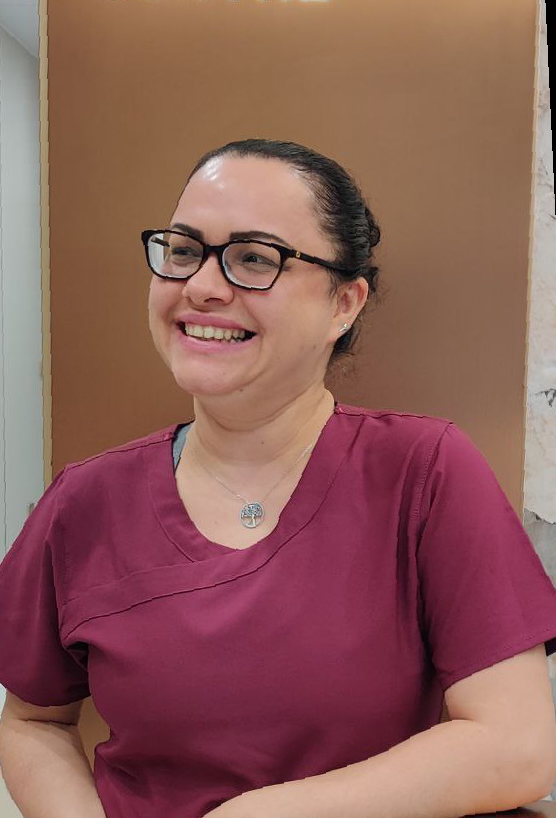
Led by Nurse Luciana
Expert blood draws and comprehensive written reports for every protocol.
Biomarker Blueprint
Clinical Measurements
Bone Health
Frequently Asked Questions
Q. What does the Crosslaps (CTX) marker show?
Bone is living tissue, constantly broken down and rebuilt. Crosslaps measures fragments released when bone is resorbed — a high level means you are currently losing bone faster than typical, information a bone-density scan alone cannot provide. It is also the marker specialists use to monitor whether osteoporosis treatments are working.
Q. Is this the same as a DEXA bone density scan?
No — they answer different questions. DEXA measures how much bone you have now; our blood panel measures the biochemical environment and the current rate of bone loss. Blood markers can flag active bone loss before density has fallen far, and can identify correctable contributors such as Vitamin D deficiency. Many patients use our results to have an informed DEXA conversation with their GP.
Q. Who is most at risk of osteoporosis?
Post-menopausal women (oestrogen loss accelerates bone resorption sharply), anyone over 65, people with a parent who fractured a hip, long-term steroid users, smokers, heavy drinkers, people with coeliac or thyroid disease, and those with low body weight or early menopause.
Q. Can bone loss actually be slowed?
Yes — meaningfully. Adequate Vitamin D and calcium, weight-bearing and resistance exercise, stopping smoking and moderating alcohol all help, and effective prescription treatments exist for established osteoporosis. The point of screening is to act during the window when prevention still works.
Q. Why is Vitamin D part of a bone panel?
Without sufficient Vitamin D you absorb a fraction of dietary calcium, forcing the body to draw calcium from the skeleton. Deficiency affects roughly one in six UK adults — rising in winter — and is the single most correctable factor in bone health.
Clinical Protocol
A morning appointment before 10am is recommended, as bone turnover markers follow a daily rhythm and standardised morning samples are most comparable. Fasting overnight improves Crosslaps accuracy — only water before your appointment. Tell us about calcium or Vitamin D supplements and any bone medications.
- Standard Medical & Lifestyle Questionnaire
- Height
- Weight
- Body Mass Index (BMI)
Gentle Blood Draws by Our Registered Nurse
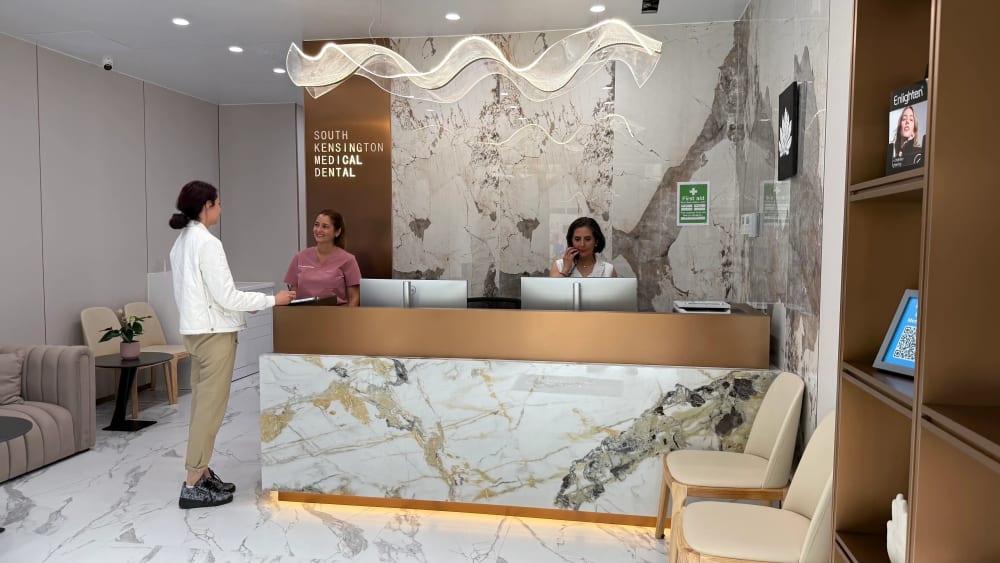
Our South Kensington Clinic
Not sure which test you need? We'll guide you.
Book a health screening without choosing a package — our registered nurse will call you before your visit to talk through your health goals and recommend the right tests for you. No obligation, and you only pay in clinic for what you choose.
Guided bookings open from two days ahead so our team can call you first. Outside clinic hours? Message us on WhatsApp and we’ll reply as soon as we open.
Osteoporosis Risk Screening — Bone Health Blood Test with Crosslaps & Vitamin D in London
A biochemical assessment of your bone health at our South Kensington clinic: calcium, phosphate, alkaline phosphatase, albumin, Vitamin D and the Crosslaps bone-turnover marker — revealing not just the state of your bone chemistry but the current rate of bone loss. Results in around four working days with a written nurse report.
What's Included
- Crosslaps (CTX) bone-turnover marker
- Vitamin D (25-OH)
- Calcium and adjusted calcium (via Albumin)
- Phosphate
- Alkaline Phosphatase
- Written report by a registered nurse
Not Included (Upgrade Available)
- —DEXA bone-density scan
- —Fracture risk (FRAX) formal assessment
- —Osteoporosis medication or prescribing
Who Is This Test For?
- Post-menopausal women assessing fracture risk
- Adults over 65 of either sex
- People with a family history of osteoporosis or hip fracture
- Long-term steroid users
- People with coeliac, thyroid disease or early menopause
Why wait for a fracture? The case for early assessment
The first sign of osteoporosis is usually a broken bone — commonly wrist, spine or hip — and hip fractures in later life carry serious consequences for independence. Yet the disease process is measurable years earlier. A raised bone-turnover marker in a post-menopausal woman with low Vitamin D is an actionable finding at any age: supplementation, targeted exercise and, where appropriate, GP referral for DEXA and treatment can change the trajectory entirely.
The menopause connection
Women can lose up to 20% of bone density in the five to seven years after menopause — the steepest decline of adult life. This is precisely when turnover markers such as Crosslaps are most informative, identifying "fast losers" who benefit most from early intervention. Women considering or taking HRT also find this data valuable, as oestrogen therapy substantially slows bone resorption.
From result to stronger bones
Your written report explains each marker and gives practical, evidence-based guidance: how much Vitamin D to take, what kind of exercise actually builds bone (hint: walking is good, resistance training is better), and when a DEXA referral through your GP is warranted. Retesting after 6–12 months shows objectively whether your changes are working.
Important: This screening service does not replace consultation with your GP. If you have symptoms that concern you, please speak to your GP or call NHS 111. Our registered nurse will clearly signpost you to appropriate NHS care if any result requires follow-up.
"Our Osteoporosis Risk Screening provides the comprehensive insight you need to take control of your health. Every biomarker is carefully analysed and results are reviewed by our clinical team."
Nurse Luciana, Lead Clinical Nurse
Same-day appointments available in South Kensington
You may also be interested in
Our Clinic Locations.
Clinical Testimonials.
"Luciana the Brazilian nurse is the best!! Very kind and super efficient, she managed to get my blood very smoothly and I had the best experience. I really recommend going there and asking for her."
"Great experience at South Kensington Medical and Dental Clinic. Kind staff, quick appointment, and very fast results. Everything was smooth and stress-free. Highly recommend!"
"I was really impressed by the whole experience at South Kensington MD. Booking and engagement were seamless, with no tedious manual forms to fill in. The staff were friendly and welcoming throughout."







