







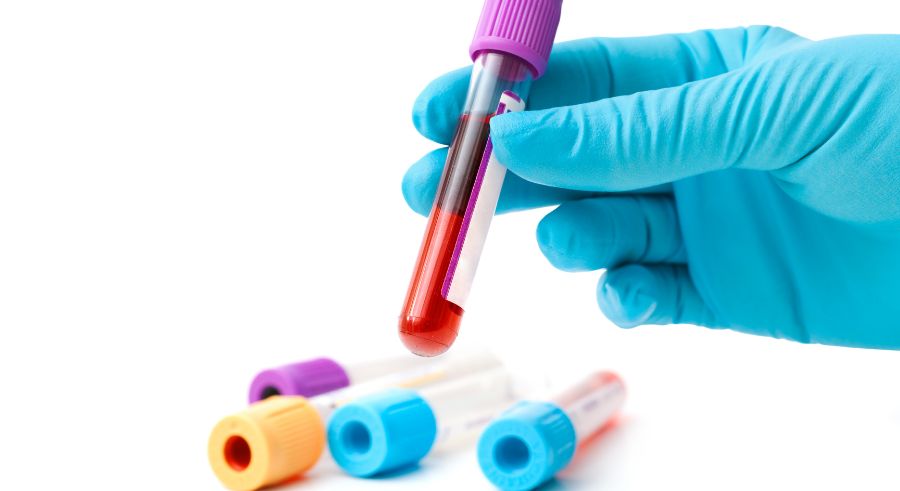
What Does an Antenatal Blood Test Check During Pregnancy
Discover what antenatal blood tests check during pregnancy, which biomarkers are screened, and how private testing in London can support your prenatal health journey.
Pregnancy is one of the most significant health journeys a person can undertake, and understanding your body’s signals at each stage is an important part of that experience. Antenatal blood tests are a fundamental part of prenatal care in the UK, offering valuable insight into maternal health and the wellbeing of the developing baby. Whether you’re planning ahead or simply want to understand what your results may mean, this guide explains clearly and calmly what these tests check — and why they matter. For pre-conception context, many people start with immunity status before pregnancy.
What Is an Antenatal Blood Test?
An antenatal blood test is a panel of laboratory tests carried out during pregnancy to screen for conditions that may affect the health of the mother or baby. These tests evaluate blood group, immunity status, infectious disease markers, haematological health, and specific pregnancy-related biomarkers. In the UK, they are typically offered at the booking appointment, usually around 8–12 weeks, with further tests at later stages.
What Do Antenatal Blood Tests Typically Screen For?
Antenatal blood testing covers a broad range of biomarkers. The results may indicate underlying health considerations that could be relevant during pregnancy. Below is a summary of the key areas assessed:
Blood Group and Rhesus (Rh) Factor
Knowing your ABO blood group and Rhesus (Rh) factor is essential in pregnancy. If a mother is Rh-negative and her baby is Rh-positive, the immune system may produce antibodies that could affect future pregnancies. Early awareness allows maternity teams to monitor and plan accordingly.
Full Blood Count (FBC)
A full blood count evaluates red blood cells, white blood cells, and platelets. Haemoglobin levels are particularly important, as low haemoglobin may suggest iron-deficiency anaemia — one of the most common nutritional concerns during pregnancy. Platelet levels are also monitored, as they can influence bleeding risk during labour.
Infectious Disease Screening
Antenatal blood panels routinely screen for a range of infectious conditions, including:
- HIV — early detection supports appropriate care planning
- Hepatitis B — to assess risk of vertical transmission to the baby
- Syphilis (VDRL/RPR) — a sexually transmitted infection that can affect fetal development if undetected
- Rubella immunity — to confirm whether vaccination-based immunity is present
These results do not provide a diagnosis but may indicate the need for further assessment by an appropriate healthcare professional. You can read more in our guide to routine hepatitis B and C screening.
Haemoglobin Variants and Sickle Cell / Thalassaemia Screening
In the UK, screening for sickle cell disease and thalassaemia is offered routinely. These inherited blood disorders can affect oxygen-carrying capacity and may be passed to the baby if both parents carry a relevant genetic variant. The test screens for carrier status and can inform discussions with a healthcare provider.
Thyroid Function (TSH)
While not always included in standard NHS booking bloods, thyroid-stimulating hormone (TSH) is increasingly recognised as an important marker in pregnancy. An underactive or overactive thyroid may affect foetal development, energy levels, and metabolic balance. Private antenatal panels may include this as part of a more comprehensive profile.
Vitamin D and Nutritional Markers
Deficiency in vitamin D is prevalent across the UK population and can be particularly significant during pregnancy, where it supports fetal bone development and immune function. Ferritin (stored iron) and folate levels may also be assessed to evaluate overall nutritional status.
Comparison Table: Standard vs. Extended Antenatal Blood Test Panels
| Biomarker / Test | Standard Antenatal Panel | Extended Private Panel |
|---|---|---|
| Blood Group & Rhesus Factor | ✅ | ✅ |
| Full Blood Count (FBC) | ✅ | ✅ |
| HIV Screening | ✅ | ✅ |
| Hepatitis B Surface Antigen | ✅ | ✅ |
| Syphilis Serology | ✅ | ✅ |
| Rubella Immunity | ✅ | ✅ |
| Sickle Cell / Thalassaemia | ✅ (risk-based) | ✅ |
| Thyroid Function (TSH) | ❌ (not routine) | ✅ |
| Vitamin D | ❌ | ✅ |
| Ferritin (Iron Stores) | ❌ | ✅ |
| Folate / B12 | ❌ | ✅ |
| HbA1c (Blood Sugar Marker) | ❌ | ✅ |
Note: Panel content varies between providers. Always verify what is included before booking.
Who Should Consider Private Antenatal Blood Testing?
Private antenatal blood testing in London may be worth considering for individuals who:
- Are in the early stages of pregnancy and want a comprehensive baseline picture
- Have not yet had their NHS booking appointment but wish to begin monitoring
- Want a broader panel that includes thyroid, nutritional, or metabolic markers
- Are planning a pregnancy and wish to check their baseline health status in advance
- Have a personal or family history of conditions such as anaemia, thyroid disorders, or haemoglobin variants
If quick access is a priority, this overview of rapid antenatal immunity testing explains how private pathways are often used between routine appointments.
Practical Insight: Private testing can be particularly useful in early pregnancy when NHS appointments may still be several weeks away, allowing you to understand key markers such as iron levels or rubella immunity at the earliest opportunity.
How Often Are Antenatal Blood Tests Carried Out?
Blood tests during pregnancy are not a one-time event. They are conducted at several stages:
- 8–12 weeks (booking bloods): Comprehensive initial panel covering blood group, infections, FBC, and haemoglobin variants
- ~28 weeks: Repeat FBC to monitor haemoglobin and screen for gestational diabetes (GTT)
- ~36 weeks: Some tests may be repeated, including full blood count and infection markers where indicated
Private testing can complement this schedule or be arranged between appointments where additional monitoring may be helpful.
What Do Antenatal Blood Test Results Mean?
Results from antenatal blood tests are informational — they highlight areas that may benefit from further assessment. A result outside the reference range does not automatically indicate a serious problem, but it may prompt a healthcare professional to investigate further.
For example:
- A low haemoglobin level may suggest iron-deficiency anaemia, which is common in pregnancy and often manageable through dietary or supplemental support — your GP or midwife can advise
- A positive Hepatitis B result indicates the need for specialist maternity review — not a cause for alarm, but important to act on promptly
- Low vitamin D is highly prevalent in the UK and may support a conversation about supplementation with your healthcare provider
At Health Screening Clinic, our nurse-led team provides a written report of your results. We do not offer prescriptions, treatment, or specialist clinical consultations, but we ensure your results are clearly communicated so you can make informed decisions and liaise with your own GP or midwife.
For practical interpretation examples, see antenatal infection test result guidance.
Practical Insight: Understanding the difference between a marker being "outside the normal range" and a confirmed diagnosis is important. Test results provide a picture — not a verdict. Always discuss results with an appropriate healthcare professional.
Antenatal Blood Testing in London: Private vs. NHS
For many people in London, NHS antenatal care is the primary pathway, and routine booking bloods are offered free of charge. However, private antenatal blood testing offers several potential advantages:
- Potentially faster access — turnaround can be shorter in some private pathways, depending on panel and laboratory processing
- Broader panel — including markers not routinely assessed on the NHS
- Flexible appointment times — particularly useful for those with demanding schedules
- Proactive monitoring — helpful for those who wish to track specific markers throughout pregnancy
Private testing does not replace NHS care and should be seen as a complementary resource to support informed conversations with your midwife or GP.
If you are based in London and would like to compare care styles, our article on private clinical support in antenatal testing outlines the main differences.
Frequently Asked Questions (FAQ)
1. What does an antenatal blood test check in the UK?
An antenatal blood test checks blood group, Rhesus factor, full blood count, immunity to rubella, and infectious disease markers including HIV, Hepatitis B, and syphilis. Extended private panels may also include thyroid function, vitamin D, ferritin, and folate levels to provide a more comprehensive overview of maternal health.
2. When is the first antenatal blood test taken?
The first antenatal blood test is typically taken at the booking appointment, around 8–12 weeks of pregnancy. This initial panel forms the foundation of prenatal health monitoring and covers the majority of key markers. Some individuals choose private testing earlier if they wish to begin monitoring before their NHS booking.
3. Are antenatal blood tests compulsory?
Antenatal blood tests are not legally compulsory in the UK, but they are strongly recommended as part of routine prenatal care. Each test will be explained and offered with the option to decline. Most people choose to proceed as the tests can provide valuable health information relevant to both mother and baby.
4. Can I get an antenatal blood test privately in London?
Yes. Private antenatal blood testing is available in London through clinics such as Health Screening Clinic. A private panel may offer a broader range of markers and faster turnaround compared to standard NHS booking bloods. Our nurse-led service provides professional testing and clear written reporting.
5. What happens if an antenatal blood test result is abnormal?
An out-of-range result does not necessarily indicate a serious condition. It may suggest an area that warrants further assessment by an appropriate healthcare professional, such as your GP or midwife. Our clinic provides written reports to support those conversations. We do not offer diagnosis, treatment, or prescriptions.
6. Does an antenatal blood test check for Down’s syndrome?
Standard antenatal blood tests do not directly screen for chromosomal conditions such as Down’s syndrome. Combined first-trimester screening, which includes a blood test alongside nuchal translucency measurement, is a separate process. Please speak with your midwife or GP about chromosomal screening options.
7. Is thyroid function checked during routine antenatal blood tests?
Thyroid function (TSH) is not routinely included in standard NHS antenatal booking bloods but may be tested if clinically indicated. Extended private antenatal panels often include thyroid markers, as thyroid function can play an important role in pregnancy health and foetal development.
8. How long do antenatal blood test results take?
NHS antenatal blood test results are typically communicated at your next midwife appointment. Private testing at Health Screening Clinic may provide results within a shorter timeframe for selected panels, with a written report included. Timeframes vary depending on the specific tests requested and laboratory processing.
9. Can antenatal blood tests detect gestational diabetes?
Standard antenatal booking bloods do not routinely screen for gestational diabetes. Screening for gestational diabetes is usually conducted around 24–28 weeks using a glucose tolerance test (GTT). HbA1c may be included in some extended private panels as an additional metabolic marker.
10. What is the difference between antenatal screening and diagnostic testing?
Antenatal screening identifies individuals who may have an increased likelihood of a particular condition. Diagnostic testing provides a more definitive result. Blood test results from screening panels may indicate further investigation is worthwhile — they do not provide a clinical diagnosis. Always consult an appropriate healthcare professional to interpret your results in context.