





Do You Need to Fast Before a Health Screening?
Understanding when and why fasting is necessary can help you prepare properly, feel more confident on the day, and ensure that your blood test results are as reliable as possible.
If you’re preparing for a health screening in London, one of the most common questions you may have is whether you need to fast beforehand. The short answer is: it depends on the type of blood tests included in your screening. Fasting before a health screening is typically required when your appointment involves specific biomarkers — particularly those related to blood glucose and cholesterol — where recent food intake can temporarily alter your results and reduce their accuracy.
What Does Fasting Before a Health Screening Mean?
Fasting before a health screening means refraining from eating or drinking anything other than water for a specified period — usually between 8 and 12 hours — prior to your blood test. This allows your body to return to a baseline metabolic state.
Practical Insight: Most people find it easiest to fast overnight and book an early morning appointment. This way, the fasting period passes largely while you sleep, and you can eat normally afterwards.
Which Tests Require Fasting — and Which Don’t?
Not all blood tests require you to fast. Below is a comparison of commonly included screening tests:
| Blood Test / Biomarker | Fasting Usually Required? | Recommended Fasting Period |
|---|---|---|
| Fasting Blood Glucose | Yes | 8–12 hours |
| Lipid Profile (Total Cholesterol, LDL, HDL, Triglycerides) | Yes (especially triglycerides) | 10–12 hours |
| HbA1c (Long-term Blood Sugar) | No | N/A |
| Full Blood Count (FBC) | No | N/A |
| Liver Function Tests (LFTs) | Preferably yes | 8–12 hours |
| Kidney Function Tests (U&Es) | No | N/A |
| Thyroid Function Tests (TSH, Free T4) | No (early morning preferred) | N/A |
| Iron Studies / Ferritin | Preferably yes | 8–12 hours |
| Vitamin D | No | N/A |
| CRP (C-Reactive Protein) | No | N/A |
Practical Insight: If your health screening package includes a lipid profile or fasting glucose test, you will normally be advised to fast. When booking, the clinic team can confirm exact requirements.
Why Does Fasting Matter for Certain Blood Tests?
When you eat, your body breaks food down into glucose, fatty acids, and other nutrients that temporarily enter the bloodstream. This can temporarily raise levels of certain biomarkers. For example:
- Triglycerides can rise significantly after a meal, sometimes by 20–30% — learn more in our guide to cholesterol tests in cardiovascular health screening
- Blood glucose naturally increases after eating as your body processes carbohydrates — for a deeper understanding, see our article on blood glucose tests in preventive health screening
- Iron levels can fluctuate throughout the day and may be influenced by recent dietary intake
Practical Insight: Fasting helps ensure your results are clinically meaningful. It’s a small preparation step that can make a real difference to the accuracy of your screening.
How Should You Prepare for a Fasting Blood Test?
- Stop eating 8–12 hours before your appointment
- Continue drinking water — staying hydrated helps with blood sample collection
- Avoid alcohol for at least 24 hours before your screening
- Take your usual medications unless specifically advised otherwise
- Avoid strenuous exercise on the morning of your test
- Book an early morning slot so the fasting period is more manageable
If you accidentally eat or drink something other than water before a fasting test, let the clinic team know. They can advise whether to proceed or reschedule. For more preparation tips, read our article on common screening mistakes that can affect your blood test results.
Who Should Consider Regular Health Screening?
Regular blood testing and health screening can be beneficial for a wide range of people. You may wish to consider a screening if you:
- Are over 40 and want to establish baseline health markers
- Have a family history of cardiovascular disease, diabetes, or high cholesterol
- Lead a busy London lifestyle and haven’t had recent blood work done
- Want to monitor specific biomarkers such as cholesterol, blood sugar, or liver function
- Are interested in proactive wellbeing and preventive health monitoring
Not sure which screening level is right for you? Our comparison of Basic vs Advanced vs Platinum Health MOTs can help you choose the package that best fits your needs.
Practical Insight: Many people in London choose private health screening for convenience, shorter waiting times, and the ability to select specific tests relevant to their personal health goals.
How Often Should You Have a Health Screening?
- Annually — for those over 40, those with a family history of chronic conditions, or those monitoring ongoing markers
- Every 2–3 years — for younger adults in generally good health
- More frequently — if previous results have highlighted borderline levels
What Do Your Screening Results Mean?
After your health screening, you will receive a detailed report. Each biomarker will typically be shown alongside the standard reference range. It’s important to understand that:
- A single result outside the reference range does not necessarily indicate a health problem
- Borderline results can sometimes highlight early trends influenced by lifestyle factors
- Consistently normal results can offer reassurance about your current wellbeing
Practical Insight: If any of your results fall outside the expected range, it may be helpful to share your report with your GP or an appropriate healthcare professional for further guidance.
Private Health Screening in London: What to Expect
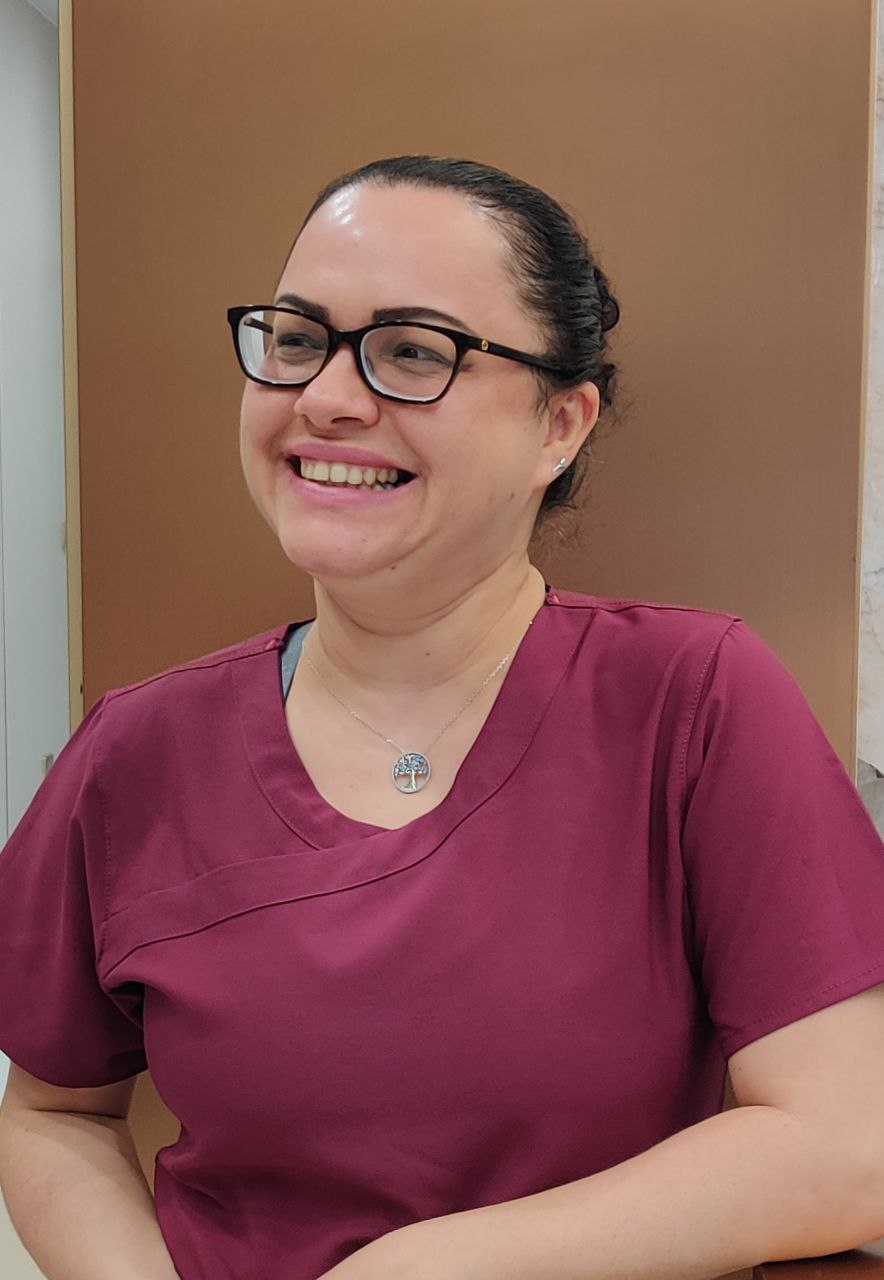
At a nurse-led clinic, you can expect:
- A short appointment, usually lasting 15–30 minutes
- A blood sample taken by a qualified healthcare professional
- Results delivered within a few working days
- A clear, detailed report you can keep for your records or share with your GP
Frequently Asked Questions
Medical Disclaimer
This article is for educational and informational purposes only and does not constitute medical advice, diagnosis, or treatment. Always consult a qualified healthcare professional for personalised medical guidance.
Health Screening Clinic is a nurse-led service providing blood testing and reporting only. We do not offer prescriptions, treatment, or diagnostic conclusions.
This content complies with GMC advertising guidance, CQC patient communication standards, and ASA guidelines.
Last reviewed: April 2026 | Next review due: April 2027
Book Your Health Screening in London
Our nurse-led team provides professional blood testing and comprehensive reporting — all results reviewed by a GMC-registered doctor, typically within 48 hours.
View Screening PackagesThis blog post is for general informational and educational purposes only. It does not constitute medical advice, diagnosis, or treatment. The information provided should not be used as a substitute for professional medical guidance. Always seek the advice of your GP or another qualified healthcare professional with any questions you may have regarding a medical condition or health concern. Our clinic provides health screening, blood testing, and reporting services only. We do not offer prescriptions, treatment, or specialist medical consultations.
Disclaimer
This article is for educational and informational purposes only and does not constitute medical advice. Health Screening Clinic provides testing and reporting services only. Always consult a qualified healthcare professional for personal medical guidance.