







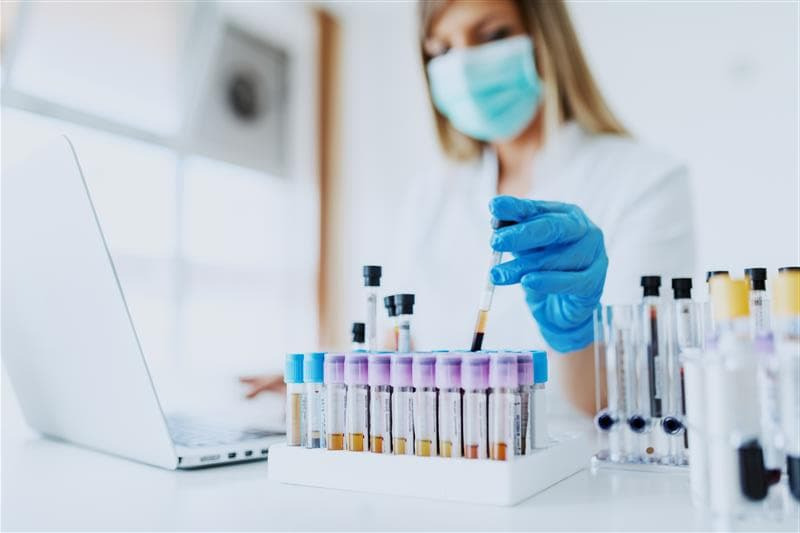
Can Cancer Be Identified With a Blood Test? Understanding Cancer Screening in the UK
A comprehensive guide to blood tests, tumour markers, and medical scans used to detect cancer early—and how private screening in London can help protect your health.
Why Early Cancer Detection Saves Lives
Cancer remains one of the leading causes of death in the United Kingdom, with approximately 375,000 new cases diagnosed each year. Yet despite these sobering statistics, there is reason for optimism: when detected early, many cancers are highly treatable, with survival rates improving dramatically.
The key to better outcomes lies in early detection—identifying cancer before symptoms appear or at a stage when treatment is most effective. This is where cancer screening becomes invaluable. Through specialised blood tests and tumour markers, private cancer screening in London offers individuals the opportunity to take control of their health and catch potential problems before they become life-threatening.
In this comprehensive guide, we will explore how blood tests can detect cancer, which tumour markers are most effective for different cancer types, and when you should consider booking a preventive health check.
In This Article
- What Are Cancer Blood Tests and How Do They Work?
- Types of Blood Tests That Detect Cancer
- Understanding Tumour Markers
- Which Blood Test Is Best for Which Cancer?
- Early Warning Signs That May Require Cancer Blood Tests
- Preventive Screening vs Diagnostic Blood Tests
- How to Choose the Right Cancer Screening Clinic
- What Happens During a Cancer Blood Test?
- Frequently Asked Questions
What Are Cancer Blood Tests and How Do They Work?
Cancer blood tests are diagnostic tools that analyse your blood for signs that may indicate cancer. These tests can detect specific chemicals, proteins, and cells that are released into the bloodstream when cancer is present, helping healthcare professionals identify potential problems early.
How Blood Tests Help Detect Cancer
Blood tests for cancer work in several ways:
- Detecting tumour markers - chemicals released by cancer cells
- Measuring abnormal levels of blood cells that may indicate blood cancers
- Identifying unusual proteins associated with certain cancers
- Finding circulating tumour cells (CTCs) in the bloodstream
- Analysing DNA fragments shed by tumours (liquid biopsy)
Blood tests serve two primary purposes in cancer care: preventive screening (checking for cancer markers in people without symptoms) and diagnostic testing (investigating symptoms or monitoring known conditions). Both play crucial roles in comprehensive cancer care.
Types of Blood Tests That Detect Cancer
Blood tests are valuable tools healthcare providers use to screen for, diagnose, stage, and manage cancer. While blood work alone may not definitively diagnose all cancers, it can provide crucial information about your health and detect certain cancers and risk factors directly.
Important to Understand
Blood tests can directly detect some blood cancers like leukaemia, lymphoma, and multiple myeloma. For other cancers, tumour marker blood tests can indicate elevated risk or monitor treatment response, though further investigation may be recommended.
Key Blood Tests for Cancer Detection
Complete Blood Count (CBC)
A CBC can detect blood cancers like leukaemia and lymphoma by measuring levels of red cells, white cells, and platelets. It can also show how your body is responding to cancer treatment and whether cancer has spread to bone marrow.
Tumour Marker Tests
These tests identify certain chemicals released into your bloodstream. Examples include CA-125 (ovarian cancer), PSA (prostate cancer), CEA (bowel cancer), and AFP (liver cancer). Elevated levels may indicate cancer but require further investigation.
Blood Protein Tests
These tests check for abnormal protein levels that could indicate blood cancers such as multiple myeloma. Comprehensive metabolic panels often include protein analysis.
Circulating Tumour Cell (CTC) Tests
A type of liquid biopsy that detects tiny pieces of tumours circulating in your bloodstream. Used to predict outcomes in metastatic breast, prostate, and colon cancers.
Emerging Blood Tests for Early Cancer Detection
Recent advances in medical science have led to promising new blood tests:
- Galleri Test: Can detect over 50 different types of cancer using DNA sequencing
- Proteomics-based Tests: Research shows potential for detecting 18 cancer types at Stage I
Note: Results from these tests must be interpreted by qualified healthcare professionals.
Key Tumour Markers Explained: What Each Blood Test Detects
Different tumour markers are associated with different types of cancer. Understanding which markers are relevant to your health concerns helps you make informed decisions about screening. Here are the most clinically significant tumour markers available at our London clinic.
PSA (Prostate-Specific Antigen)
PSA is a protein produced by the prostate gland. Elevated levels can indicate prostate cancer, though benign conditions like prostate enlargement (BPH) or infection can also raise PSA levels.
Key Facts:
- • Normal range: below 4 ng/mL
- • Most widely used prostate cancer marker
- • Recommended for men over 50
- • Earlier testing if family history
Clinical Use:
- • Prostate cancer screening
- • Monitoring after treatment
- • Detecting recurrence
- • Assessing treatment response
CA-125 (Cancer Antigen 125)
CA-125 is a protein found on the surface of ovarian cancer cells. While not specific enough for general screening, it is valuable for monitoring ovarian cancer treatment and detecting recurrence.
Key Facts:
- • Normal range: below 35 U/mL
- • Elevated in 80% of ovarian cancers
- • Can be raised by endometriosis, fibroids
- • Most useful in post-menopausal women
Clinical Use:
- • Ovarian cancer monitoring
- • Risk assessment with family history
- • Post-treatment surveillance
- • Evaluating pelvic masses
CEA (Carcinoembryonic Antigen)
CEA is a protein that can be elevated in several types of cancer, particularly colorectal cancer. It is most commonly used to monitor cancer treatment response and detect recurrence rather than for initial screening.
Key Facts:
- • Normal range: below 3 ng/mL (non-smokers)
- • Higher in smokers (up to 5 ng/mL)
- • Associated with bowel, stomach, lung cancer
- • Can be raised by benign conditions
Clinical Use:
- • Colorectal cancer monitoring
- • Treatment response assessment
- • Detecting cancer recurrence
- • Staging and prognosis
AFP (Alpha-Fetoprotein)
AFP is a protein normally produced by the fetal liver. In adults, elevated levels can indicate liver cancer (hepatocellular carcinoma) or certain testicular cancers. It is particularly valuable for high-risk individuals.
Key Facts:
- • Normal range: below 10 ng/mL
- • Elevated in 70% of liver cancers
- • Important for hepatitis B/C patients
- • Also elevated in testicular cancer
Clinical Use:
- • Liver cancer screening (high-risk)
- • Testicular cancer diagnosis
- • Treatment monitoring
- • Detecting recurrence
CA 19-9 (Cancer Antigen 19-9)
CA 19-9 is primarily associated with pancreatic cancer but can also be elevated in other gastrointestinal cancers. It is most useful for monitoring treatment response in patients with confirmed pancreatic cancer.
Key Facts:
- • Normal range: below 37 U/mL
- • Elevated in 80% of pancreatic cancers
- • Also raised in bile duct, stomach cancer
- • Can be elevated in benign conditions
Clinical Use:
- • Pancreatic cancer monitoring
- • Treatment response assessment
- • Prognosis evaluation
- • Detecting recurrence
CA 15-3 (Cancer Antigen 15-3)
CA 15-3 is primarily used to monitor breast cancer treatment and detect recurrence. It is not recommended for general breast cancer screening but is valuable for patients with a history of breast cancer.
Key Facts:
- • Normal range: below 30 U/mL
- • Elevated in advanced breast cancer
- • Less sensitive for early-stage cancer
- • Best used with other tests
Clinical Use:
- • Breast cancer treatment monitoring
- • Detecting metastatic spread
- • Post-treatment surveillance
- • Assessing treatment response
Which Blood Test Is Best for Which Cancer?
Different cancers have different blood markers that can help with detection and monitoring. This table provides a quick reference for which blood test is most relevant for various cancer types:
| Cancer Type | Primary Blood Test | Detection Rate |
|---|---|---|
| Prostate Cancer | PSA (Prostate-Specific Antigen) | High (widely used) |
| Ovarian Cancer | CA-125 | 80% of advanced cases |
| Bowel (Colorectal) Cancer | CEA, FIT (stool test) | Moderate (monitoring) |
| Liver Cancer | AFP (Alpha-Fetoprotein) | 70% of cases |
| Pancreatic Cancer | CA 19-9 | 80% of cases |
| Breast Cancer | CA 15-3 | Advanced cases (monitoring) |
| Testicular Cancer | AFP, hCG, LDH | High (diagnostic) |
| Lymphoma / Leukaemia | CBC, LDH, Blood Film | High (diagnostic) |
| Thyroid Cancer | Thyroglobulin, Calcitonin | Monitoring after treatment |
| Multiple Cancer Types | Galleri Multi-Cancer Test | 50+ cancer types |
Note: Blood tests are most effective when used as part of a comprehensive health assessment. Elevated markers do not always indicate cancer, and normal results do not guarantee absence of disease. Your healthcare provider will interpret results in context.
Early Warning Signs That May Require Cancer Blood Tests
While many of these symptoms can have benign causes, persistent or unexplained symptoms should always be investigated with appropriate blood tests. Early detection significantly improves treatment outcomes.
Unexplained Weight Loss
Losing more than 5% of body weight in 6-12 months without trying may warrant investigation.
Full health check →Persistent Pain
Unexplained pain that doesn't improve with rest or medication should be evaluated.
Lumps or Swelling
New lumps anywhere on the body, particularly in the breast, neck, armpit, or groin.
Chronic Fatigue
Extreme tiredness that doesn't improve with rest and persists for weeks.
Fatigue blood test →Blood in Urine or Stool
Any unexplained bleeding should be investigated promptly.
Persistent Cough
A cough lasting more than 3 weeks, especially with blood or breathlessness.
Changes in Bowel Habits
Persistent diarrhoea, constipation, or changes in stool appearance.
Skin Changes
New moles, changes to existing moles, or non-healing sores.
When in Doubt, Get Checked
Most symptoms will have a non-cancerous cause, but early investigation is always the safest approach. Don't hesitate to speak with a healthcare professional about any concerns.
Preventive Screening vs Diagnostic Blood Tests
Understanding the difference between preventive screening blood tests and diagnostic blood tests helps you make informed decisions about when and why to get tested.
Preventive Blood Tests
Testing performed on people without symptoms to detect cancer markers early, when intervention is most effective.
- For individuals with no current symptoms
- Based on age and risk factors
- Aims to catch abnormalities before symptoms develop
- Examples: PSA for men over 50, CA-125 with family history
Diagnostic Blood Tests
Testing performed to investigate specific symptoms or confirm a suspected diagnosis.
- For individuals with symptoms or abnormal findings
- Targeted to investigate specific concerns
- Aims to diagnose or rule out cancer
- Examples: Tumour markers after finding a lump, CBC for fatigue
Who Should Consider Preventive Screening?
- Adults over 40 years old
- Strong family history of cancer
- Previous cancer diagnosis
- Smokers or former smokers
- Obesity or sedentary lifestyle
- Exposure to known carcinogens
- Genetic predisposition (e.g., BRCA genes)
- Those seeking peace of mind
Comprehensive Cancer Blood Test Packages
Rather than testing individual markers in isolation, comprehensive cancer blood test packages provide a broader overview of your cancer risk. At our London clinic, we offer tailored packages designed for different concerns and risk profiles.
Benefits of Comprehensive Testing
- Tests multiple tumour markers simultaneously
- Provides broader cancer risk assessment
- More cost-effective than individual tests
- Single blood draw for multiple analyses
- Results reviewed by clinical specialists
Important Considerations
- Blood tests alone cannot diagnose most cancers
- Elevated markers may have benign causes
- Normal results do not guarantee absence of cancer
- Results should be interpreted by qualified professionals
- Follow-up tests may be recommended
Who Should Consider Cancer Blood Test Packages?
Comprehensive cancer blood testing is particularly valuable for:
- Individuals with strong family history of cancer
- Those with genetic predispositions (e.g., BRCA mutations)
- Adults over 50 seeking proactive health monitoring
- Patients previously treated for cancer requiring surveillance
How to Choose the Right Cancer Blood Testing Clinic in London
Selecting the right clinic for your cancer blood tests is an important decision. Here are the key factors to consider:
Accreditation & Regulation
Ensure the clinic is registered with the Care Quality Commission (CQC) and uses UKAS-accredited laboratories for blood analysis.
Consultant-Led Reporting
Results should be reviewed and reported by experienced clinical specialists, not automated systems alone.
Comprehensive Test Panels
Quality clinics offer a full range of tumour markers and the latest tests like multi-cancer early detection blood tests.
Fast Turnaround Times
Look for clinics providing results within 24-48 hours for most blood tests, reducing anxiety and enabling prompt follow-up.
Detailed Reporting
Expect detailed written reports explaining findings in plain English, with reference ranges and clear recommendations.
Patient Privacy & Comfort
A professional, comfortable environment with appropriate privacy measures makes the experience less stressful.
What Happens During a Cancer Blood Test?
Understanding what to expect can help reduce anxiety about your blood test. The process is straightforward, quick, and minimally invasive.
Before Your Blood Test
- Some tests require fasting (typically 8-12 hours) - you will be advised
- Drink plenty of water beforehand to make veins easier to find
- Inform the clinic of any medications you are taking
- Wear loose sleeves for easy arm access
During Your Blood Test
- A trained phlebotomist will take the blood sample from your arm
- The procedure takes just 5-10 minutes
- A small needle is inserted into a vein - you may feel a brief scratch
- Multiple tubes may be filled depending on the tests ordered
- Pressure is applied and a small plaster covers the puncture site
After Your Blood Test
- You can resume normal activities immediately
- Keep the plaster on for a few hours to prevent bruising
- Results are typically available within 24-48 hours
- A clinical specialist will review your results and provide a detailed report
- Follow-up consultations will be arranged if any results require attention
Frequently Asked Questions
Can a blood test detect cancer early?
Yes, certain blood tests can detect cancer markers before symptoms appear. PSA testing for prostate cancer is the most established example. Newer multi-cancer early detection tests like the Galleri test can screen for over 50 cancer types from a single blood draw. However, blood tests work best as part of a comprehensive health assessment.
What blood tests are used to detect cancer?
Key tumour markers include PSA (prostate), CA-125 (ovarian), CEA (bowel), AFP (liver), CA 19-9 (pancreatic), and CA 15-3 (breast). Complete blood counts (CBC) can detect blood cancers. Emerging tests include circulating tumour DNA (ctDNA) and multi-cancer detection panels that analyse DNA fragments in blood.
How accurate are cancer blood tests?
Accuracy varies by marker and cancer type. PSA testing detects around 80% of prostate cancers but can produce false positives. CA-125 detects about 80% of advanced ovarian cancers but is less sensitive for early-stage disease. Blood tests are most valuable when combined with clinical assessment and, if needed, follow-up investigations.
Can blood tests detect all types of cancer?
No single blood test can detect all cancers. Different tumour markers are associated with different cancer types, and some cancers (like brain tumours) do not have reliable blood markers. Multi-cancer early detection tests show promise but are still relatively new and should complement, not replace, established screening programmes.
How often should I get cancer blood tests?
Screening frequency depends on your age, risk factors, and family history. Men over 50 may benefit from annual PSA testing. Those with elevated cancer risk due to family history or genetic factors may need more frequent monitoring. Consult with a healthcare provider for personalised recommendations based on your specific circumstances.
What happens if my tumour marker is elevated?
An elevated tumour marker does not automatically mean you have cancer. Many conditions can raise these levels, including infections, inflammation, and benign growths. Your doctor will interpret results in context and may recommend repeat testing, additional blood tests, or further investigations such as imaging or biopsy to determine the cause.
Take Control of Your Health with Cancer Blood Testing
Early cancer detection saves lives. Cancer blood tests offer a convenient, minimally invasive way to monitor your health and detect potential warning signs before symptoms develop. From established tumour markers like PSA and CA-125 to cutting-edge multi-cancer detection tests, blood testing is revolutionising how we screen for cancer.
At Health Screening Clinic London, we offer a comprehensive range of cancer blood test packages designed to provide peace of mind through thorough, clinically-reviewed diagnostics. Our experienced team uses the latest testing technology to deliver fast, accurate results with detailed written reports explaining what your results mean. You may also wish to read our guide on early warning signs of cancer and how regular screening can help.
Don't wait for symptoms to appear. Proactive blood testing offers the opportunity to catch potential issues early, when intervention is most effective. Book your private cancer blood test today and take the first step towards better health outcomes.
Written by
Health Screening Clinic
London's premier private health screening clinic in South Kensington, providing expert diagnostic care and comprehensive cancer screening services. Our clinical team is dedicated to early disease detection and preventive healthcare.
Book Your Cancer Blood Test Today
Same-day appointments available at our South Kensington clinic. Comprehensive blood testing with fast results and expert clinical review.
Related Articles
Disclaimer
This article has been produced for educational and informational purposes only. It does not constitute medical advice, diagnosis, or treatment. Health Screening Clinic is a nurse-led testing and reporting service. We do not provide prescriptions, medical treatment, or GP services. All content is written in accordance with UK medical editorial best practice and is intended to comply with GMC advertising guidance, CQC patient communication standards, and ASA guidelines. If you have concerns about your health, please seek advice from appropriate healthcare services.